
Are you looking for an escape from the hustle and bustle of city life? Look no further than Sapa, Vietnam. This charming town nestled in the mountains is the perfect destination for nature lovers and adventure seekers alike.
With only three days to spare, it can be overwhelming figuring out how to make the most of your time in Sapa. But fear not! In this itinerary guide, we will take you on a journey through the best of Sapa, ensuring that you get to experience all its glory in just three days.
Day 1: Hiking Through the Rice Terraces
What to Expect
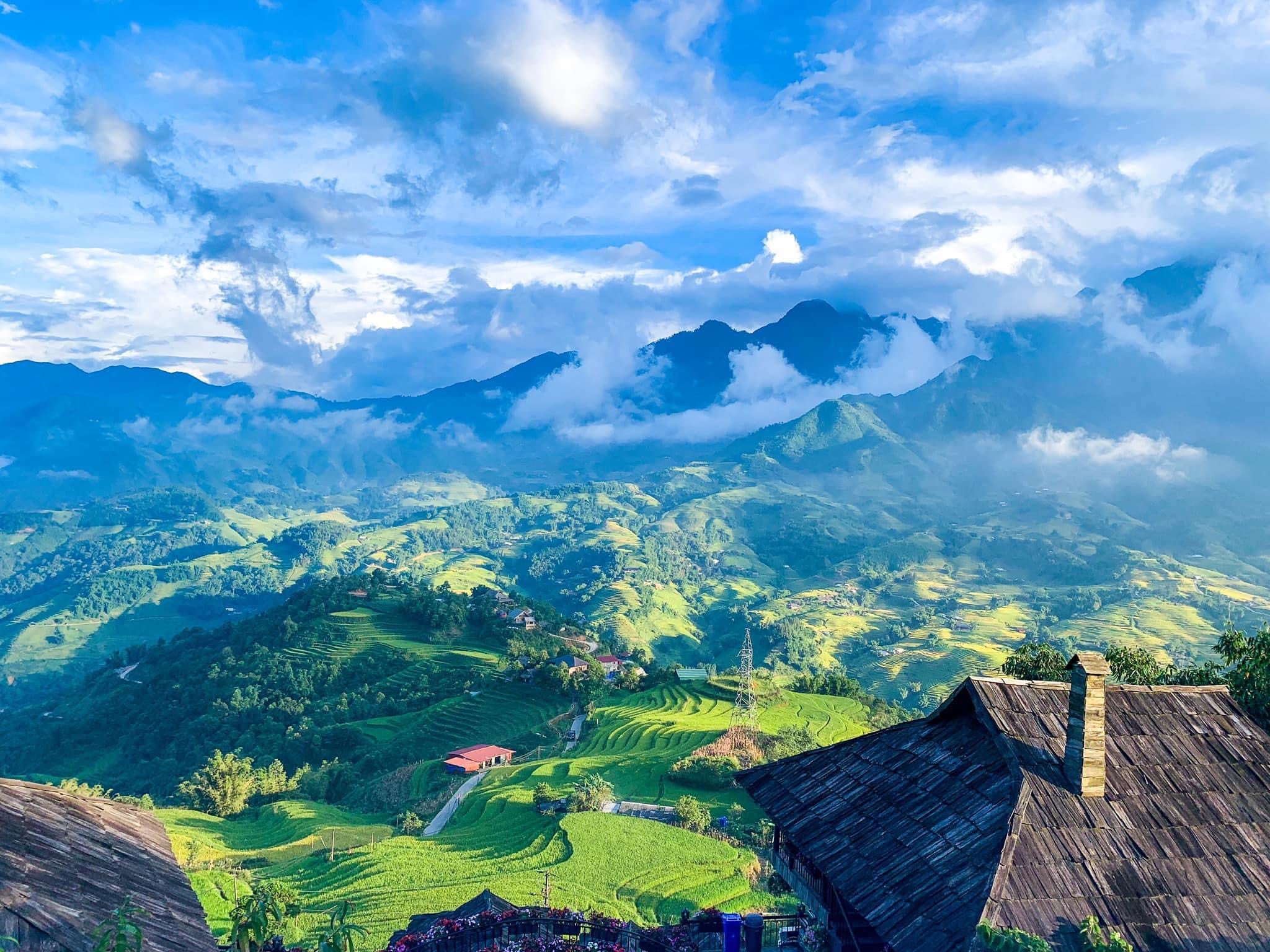
On your first day in Sapa, immerse yourself in the natural beauty by hiking through the lush rice terraces. You will be surrounded by stunning views of the mountains and valleys, as well as the vibrant greenery of the rice fields.
The hike will take approximately five hours, with occasional stops to rest and take in the scenery. The trek is moderate in difficulty, but comfortable shoes and appropriate clothing are recommended.
How to Get There
Most hotels and tour companies offer organized tours for hiking in the rice terraces. You can also hire a local guide or rent a motorbike to explore at your own pace.
Pros and Cons
Pros:
- Stunning views of the rice terraces and surrounding mountains
- A chance to immerse yourself in nature and escape the city
- Moderate difficulty level suitable for most fitness levels
Cons:
- Weather conditions can be unpredictable, so be prepared with appropriate clothing
- Crowded during peak season
- Some parts of the trail can be steep and require caution
Alternative Activities
If hiking is not your thing, there are plenty of other activities to do in Sapa. Visit the local market to shop for handmade crafts or take a cooking class to learn how to make traditional Vietnamese dishes.
Day 2: Exploring Local Villages
What to Expect
On your second day in Sapa, take a tour of the local villages to get a glimpse into the daily lives of the ethnic minority groups that call Sapa home. You will have the opportunity to interact with locals, learn about their traditions, and admire their unique customs and dress.
Some popular villages to visit include Cat Cat, Ta Van, and Lao Chai. Each village has its own distinct culture and history, making it a fascinating experience to explore.
How to Get There
Tours to the local villages are offered by most hotels and tour companies. Alternatively, you can hire a motorbike or bicycle to explore at your own pace.
Pros and Cons
Pros:
- A chance to experience the local culture and learn about traditions
- Stunning scenery along the drive to the villages
- Opportunities for shopping for handmade crafts and souvenirs
Cons:
- Crowded during peak season
- Some villages may require a steep hike or climb to reach
Alternative Activities
If visiting the local villages is not for you, consider taking a relaxing hot spring bath or unwinding with a massage at a spa.
Day 3: Conquering Fansipan Mountain
What to Expect
On your third and final day in Sapa, hike to the summit of Fansipan Mountain, the highest peak in Vietnam. The trek takes approximately six hours, with breathtaking views of the surrounding landscape along the way.
The hike is challenging, so it is recommended for experienced hikers or those who are physically fit. However, the rewarding views from the top make it well worth the effort.
How to Get There
Most tour companies offer organized tours to hike Fansipan Mountain. You can also hire a local guide or rent a motorbike to access the trailhead.
Pros and Cons
Pros:
- Panoramic views of Sapa and the surrounding mountains from the summit
- An exhilarating and challenging hike
- A feeling of accomplishment upon reaching the top
Cons:
- Weather conditions can be unpredictable, so be prepared with appropriate clothing
- Requires a good level of physical fitness
- Can be crowded during peak season
Alternative Activities
If hiking to the summit of Fansipan Mountain is not for you, consider taking a cable car ride to enjoy the stunning views without the physical exertion.
Top 10 things to do in Sapa Vietnam
1. Explore the rice terraces: Sapa is known for its beautiful rice terraces. Take a hike or hire a guide to explore the stunning landscapes and learn about the local farming practices.
2. Visit Cat Cat Village: A short trek from Sapa town, Cat Cat Village offers an opportunity to experience the traditional way of life of the Hmong ethnic minority. You can see traditional homes, handicrafts, and enjoy cultural performances.
3. Conquer Fansipan Mountain: As the highest peak in Indochina, Fansipan Mountain offers an adventurous experience for hikers. Whether you choose to climb to the summit or take the cable car, the panoramic views are breathtaking.
4. Explore Ham Rong Mountain: Take a stroll through Ham Rong Mountain’s gardens and paths, enjoy the vibrant flowers, and reach the mountain peak for a great view of Sapa town.
5. Bathe in natural hot springs: After a day of exploring, relax your muscles in one of Sapa’s natural hot springs. The warm mineral-rich waters offer a soothing experience.
6. Visit the Love Waterfall: Located about 14 kilometers from Sapa, the Love Waterfall is a must-visit. Admire the majestic cascade and enjoy the peaceful surroundings.
7. Discover the Silver Waterfall: Located near the Love Waterfall, the Silver Waterfall offers impressive views and is easily accessible by road. Take a short walk to the base of the waterfall and enjoy the scenery.
8. Have a homestay experience: Immerse yourself in the local culture by staying with a local family in one of the ethnic minority villages surrounding Sapa. You’ll have the opportunity to learn about their traditions, try local cuisine, and gain a deeper understanding of their way of life.
9. Visit the Sapa Market: Explore the bustling market where locals sell their products, including traditional handicrafts, fresh produce, and unique souvenirs. It’s a great place to interact with locals and experience the vibrant atmosphere of Sapa.
10. Indulge in local cuisine: Sapa offers a variety of delicious dishes such as grilled pork, bamboo-cooked rice, and local soups. Don’t miss the chance to try these traditional delicacies and experience the unique flavors of the region.
Best hotels & hostels in Sapa
There are several highly rated hotels and hostels in Sapa, Vietnam. Some of the best options include:
1. Victoria Sapa Resort & Spa: This luxury resort offers stunning mountain views, comfortable rooms, a spa, and a range of amenities. It’s located near Sapa Town and has excellent reviews.
2. Topas Ecolodge: Situated atop a hill, this eco-friendly lodge provides breathtaking views of the surrounding valleys. It offers rustic yet comfortable bungalows, an infinity pool, and delicious food.
3. Sapa Elite Hotel: This centrally located hotel provides modern and spacious rooms with views of the town and mountains. Guests appreciate the friendly staff and convenient amenities.
4. Sapa Homestay: For a more authentic experience, consider staying in a homestay where you can live with a local family in traditional accommodations. This is a great way to immerse yourself in the local culture and experience traditional Vietnamese hospitality.
5. Sapa Memories Hostel: Offering dormitory-style rooms and private rooms, this hostel is known for its friendly atmosphere and helpful staff. It also has a rooftop terrace where you can enjoy the panoramic views of Sapa.
These are just a few options, and there are many more hotels and hostels available in Sapa to suit different preferences and budgets.
FAQs
Q: What language do they speak in Sapa?
A: The majority of locals in Sapa speak Vietnamese, but many also speak English and French due to the town’s popularity with tourists.
Q: What is the best time to visit Sapa?
A: The best time to visit Sapa is from September to November or from March to May when the weather is dry and mild.
Q: Is it safe to travel to Sapa?
A: Yes, Sapa is generally a safe place to travel. However, take precautions such as keeping valuables secure and being aware of potential scams or pickpockets, particularly in crowded areas.
Q: What should I pack for a trip to Sapa?
A: Be sure to pack appropriate clothing and footwear for hiking and outdoor activities, as well as sunscreen, a hat, and bug spray. It’s also a good idea to bring cash as ATMs can be limited in the area.
Q: Can I travel to Sapa independently or do I need to go with a tour group?
A: You can travel to Sapa independently, but tour groups are recommended for organized hikes and visits to local villages. Hiring a guide or driver can also make transportation easier.
Conclusion
Sapa is a stunning destination that offers a perfect escape from the hustle and bustle of city life. With this itinerary guide, you can experience the best of Sapa in just three days, from hiking through the rice terraces to exploring local villages and conquering Fansipan Mountain.
Remember to take precautions for weather and safety, and pack appropriately for your outdoor activities. Whether traveling solo or with a group, Sapa is a destination that will leave you with memories to last a lifetime.